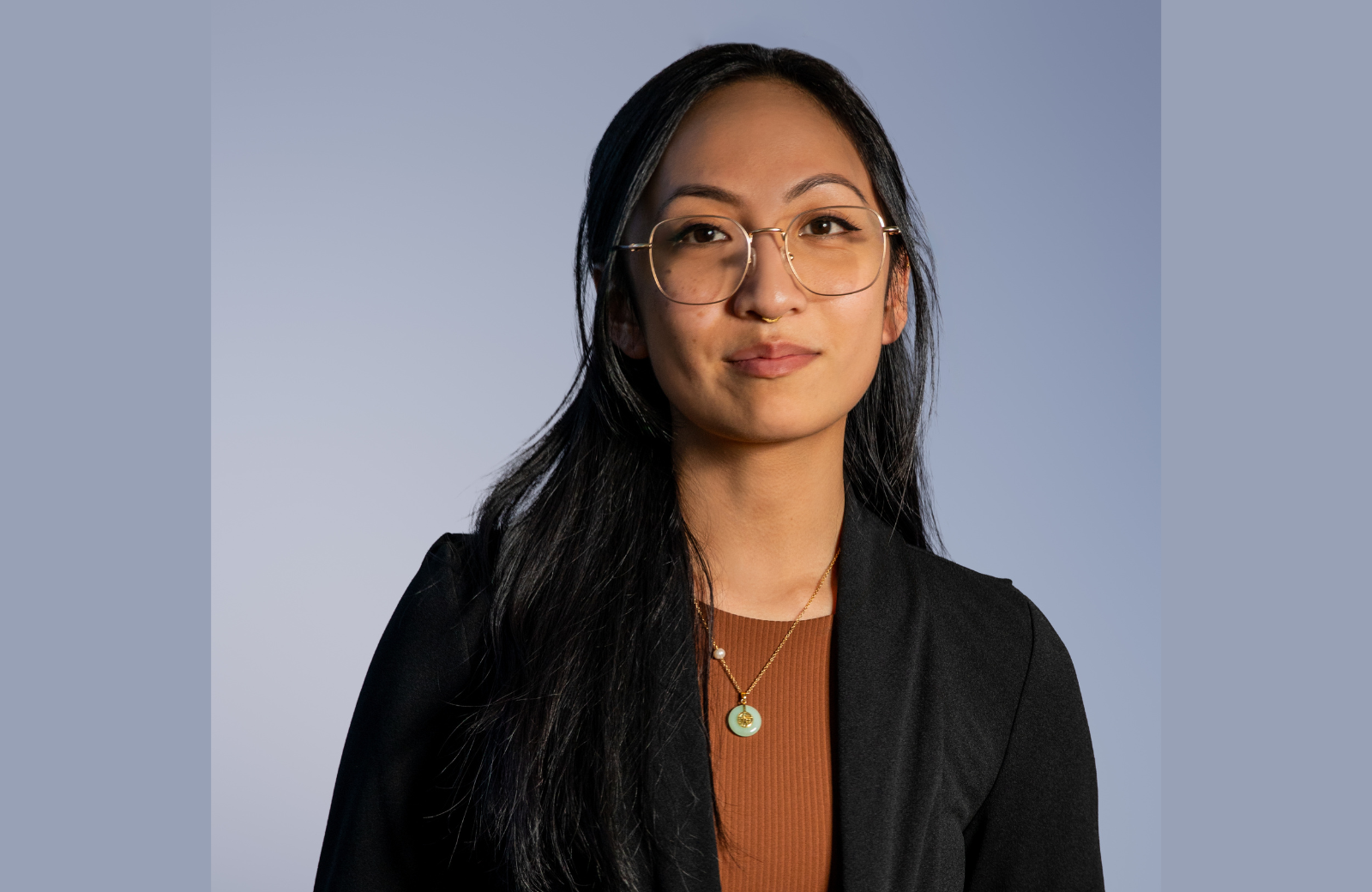
Navigating systems of care for children with neurodevelopmental and related disabilities is rarely straightforward. Families often balance complex regimens across therapy clinics, primary care, educational supports, and medical subspecialists. For Dhani, a dual-degree MD/MPH student at the University of Arizona College of Medicine-Phoenix and Mel and Enid Zuckerman College of Public Health, identifying where these systems break down, and how to fix them, served as the cornerstone of her ArizonaLEND internship.
Over the past year, Dhani spearheaded the development, analysis, and publication of the ArizonaLEND Community Needs Assessment Report 2026, capturing the lived experiences of caregivers and the frontline insights of providers across Arizona. For her, the motivation stemmed directly from a core commitment to health equity:
As I think about my future in medicine, one of the things that matters most to me is helping amplify patient voices, particularly the voices of people who are often unheard, overlooked, or expected to navigate systems that were not designed with them in mind. My public health training has really shaped how I understand health and illness … If those systems create barriers, then we also have a responsibility to examine and change those barriers rather than simply asking patients to overcome them (Dhani Bartolome).
Uncovering the Reality of Fragmented Care
The needs assessment revealed significant complexities facing Arizona families. Nearly 30% of responding caregivers reported caring for two or more children with disabilities, with children utilizing an average of five distinct services simultaneously — spanning speech therapy, occupational therapy, specialized behavioral services, neurology, and educational accommodations.
Yet accessing these services remains a persistent hurdle. Most caregivers reported waiting two to six months just to initiate therapies following an initial diagnosis. When evaluating the findings, Dhani was struck by how these systemic hurdles compounded:
It was not necessarily one isolated statistic, but the way several findings reinforced each other. Families described difficulty accessing services and specialists, providers identified gaps in training and resources, and geographic differences suggested that where someone lives can substantially affect what care is realistically available to them. Seeing that complexity made the burden of fragmented care feel much more tangible to me.
Geography as a Determinant of Health
A critical contribution of the report was mapping the stark geographic mismatch between families and provider capacity. While provider density remains concentrated in Maricopa and Pima counties, families in rapidly expanding suburban areas like Pinal County, as well as rural, frontier, and tribal communities across northern and southern Arizona, encounter severe specialty care deserts.
This project made geography feel much more like a health determinant than I had previously appreciated. When we say that a service exists in Arizona, that does not necessarily mean it is meaningfully accessible to everyone in Arizona. A family living several hours away from Phoenix or Tucson may technically have access to a developmental specialist, but that access can require taking an entire day off work, arranging transportation, missing school, paying for travel, and potentially waiting months for an appointment.
To address this divide, the report outlines actionable short-, medium-, and long-term recommendations, including scaling telehealth consultation and shared-care models between urban subspecialists and local primary care clinicians. However, Dhani emphasizes that digital solutions must be deployed thoughtfully:
I do not think it is inherently equitable to offer rural or tribal communities virtual care as their only option while patients in larger cities continue to have access to in-person specialists … The goal should not be to replace in-person care with telehealth, but to use telehealth thoughtfully as one part of a broader network of care. Telehealth has enormous potential to reduce geographic barriers, but it should expand patients’ options rather than create a different standard of care based on where they live.
Bridging Lifespan Transitions and Provider Training
While parents expressed high regard for provider expertise and family-centered care during early childhood, the assessment exposed a pronounced vulnerability as youth grow older: transition planning into adult healthcare received markedly lower satisfaction and higher rates of unmet need.
For Dhani, bridging this divide requires reframing transition as an active, longitudinal process rather than an eleventh-hour administrative handoff:
Ideally, preparation should begin years before a patient actually leaves pediatric care. That can include gradually involving the adolescent more directly in medical decision-making, discussing medication and health literacy, identifying adult clinicians early, clarifying insurance or eligibility changes, and making sure families understand what services may change once the patient reaches adulthood … Sending someone a referral is not the same thing as a successful transition; someone has to be able to navigate what comes next.
Similarly, provider survey responses highlighted clear targets for clinical education. With over half of provider respondents reporting a lack of training on validated screening tools such as the Parents’ Evaluation of Developmental Status (PEDS), Dhani underscored that future workforce development must move beyond passive lectures to integrate case-based mentorship and clear referral pathways:
Training should include a ‘what happens next?’ or ‘where do we go from here?’ piece. Screening is only valuable if providers have a realistic pathway for evaluation, referral, and follow-up after identifying a concern.
Carrying the LEND Mission Forward
Reflecting on her time with ArizonaLEND, Dhani credits the program’s interdisciplinary ethos and its community of alumni for modeling how clinical practice and public health systems work together. Looking toward her future career as an advocate and physician, the assessment reinforced her resolve to tackle systemic friction on behalf of patients:
One of my biggest takeaways from this project is that identifying a healthcare resource is very different from understanding whether that resource is accessible, coordinated, and useful to the people who need it. Healthcare systems should not require patients and families to become experts at navigating fragmented systems simply to receive appropriate care. I hope that work like this can help shift some of that responsibility away from families and toward building systems that are easier to access and navigate in the first place.
You can view the ArizonaLEND Community Needs Assessment 2026 on our website:
https://medicine.arizona.edu/pediatrics/divisions/developmental-pediatrics/arizonalend