Monday, November 9, 2026
1:00 pm - 2:00 pm
The AUCD Council on Research and Evaluation (CORE) is delighted to host three officials from the National Institutes of Health (NIH). This session will be a practical guide to creating competitive grant applications at NIH. This will be a closed-door discussion with sign up required ahead of time.
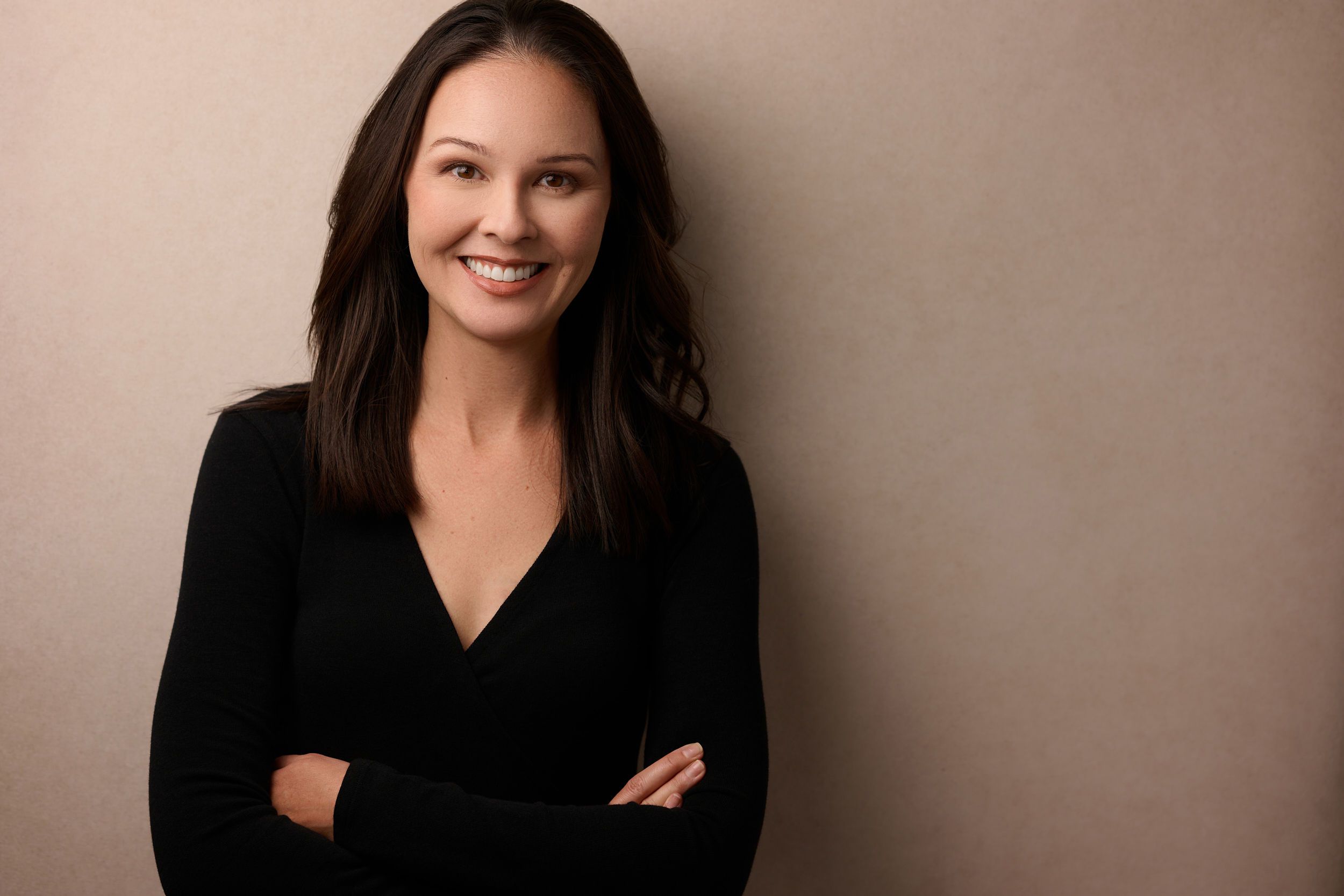
Jamie Mihoko Doyle, PhD, is a Program Director at the National Center for Advancing Translational Sciences (NCATS), where she works across the Clinical and Translational Science Awards (CTSA) Program on initiatives spanning workforce development and clinical and translational research. She co-chaired a national CTSA working group focused on engaging individuals with disabilities in the research process and has helped advance to expand research and career development opportunities in Down syndrome through the INCLUDE Project. Her career has spanned science and regulatory policy at NIH, the Science and Technology Policy Institute, and Pfizer, Inc. She earned her PhD in Demography from the University of Pennsylvania and her BA in Economics from the University of Texas at Austin.
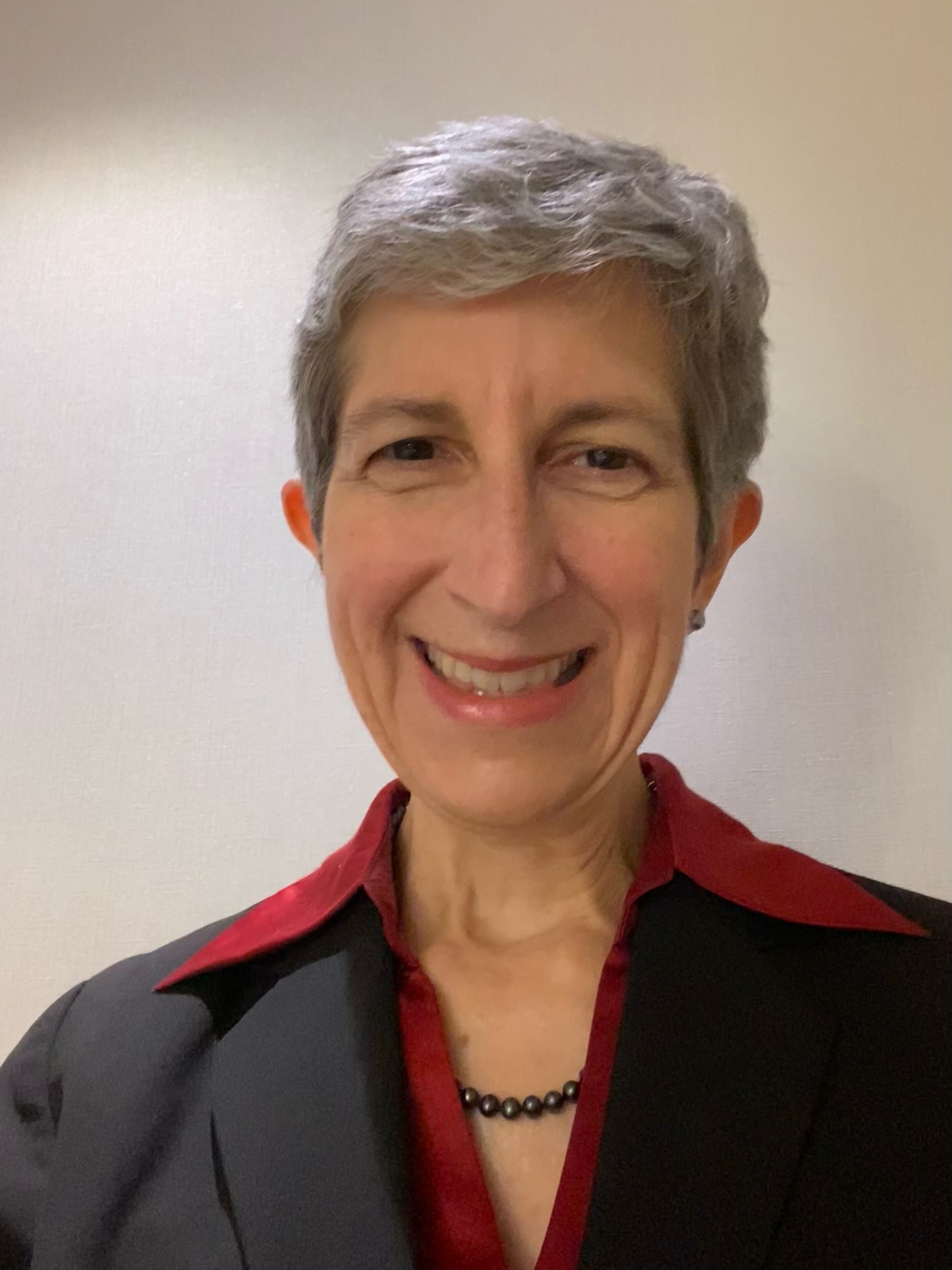
Melissa Parisi is Chief of the Intellectual and Developmental Disabilities Branch at the Eunice Kennedy Shriver National Institute of Child Health and Human Development (NICHD) within the National Institutes of Health (NIH).
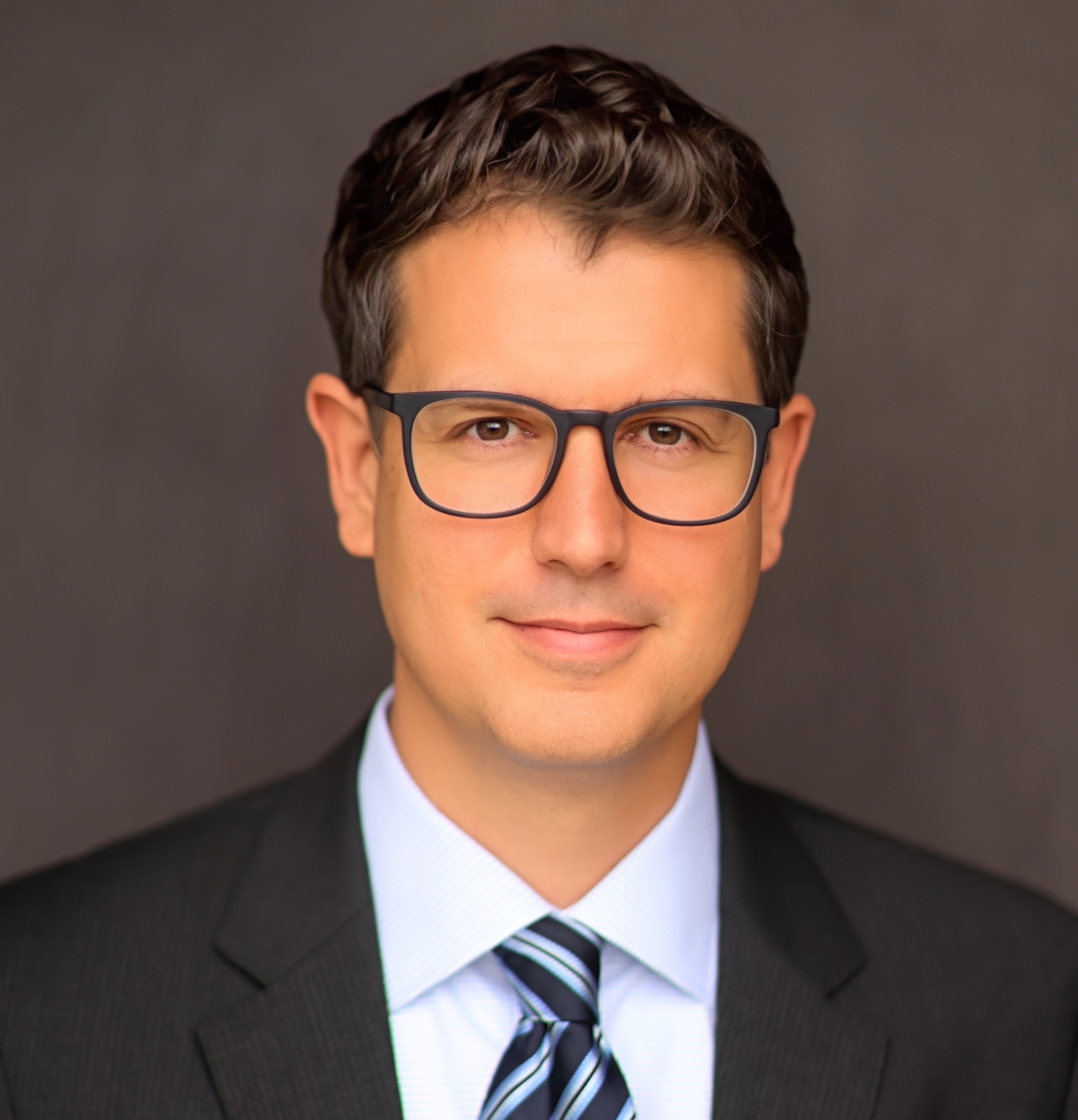
Adam Politis is the Director of the Disability Health Research Program within the Division of Program Coordination, Planning, and Strategic Initiatives in the NIH Office of the Director. The Disability Health Research Program provides strategic coordination of research activities across NIH that promote the health and well-being of people with disabilities. During his career, Adam has served people with disabilities in a variety of clinical, research, and policy roles in healthcare, academia, and government. Adam is committed to advancing rigorous research and evidence-based policies that improve health outcomes for people with disabilities. That commitment is shaped by both his professional background and his lived experience as a disabled person.