Network Impact - South Dakota
In the last year, the AUCD Network has had a lasting impact on the disability community across the country. Through UCEDDs, LEND programs, and IDDRCs, the Network had a profound impact on the trainings, outreach, and research on autism and intellectual and other developmental disabilities.
Bridging Systems, Building Solutions: South Dakota UCEDD & LEND Drive Change in Underserved Communities
In South Dakota, the Center for Disabilities, home to both the University Center for Excellence in Developmental Disabilities (UCEDD) and the Leadership Education in Neurodevelopmental and Related Disabilities (LEND) program, is redefining what it means to lead systems-change work for people with disabilities.
In a recent episode of the UMKC IHD Accessible Podcast: Voices of the Network, Dr. Eric Kurtz, Executive Director of the South Dakota UCEDD, discussed how the Center is addressing some of the state’s most pressing challenges, especially in rural, tribal, and underserved communities.
Working in the Gaps
Kurtz describes the Center’s mission as “working in the gaps”—bridging the space between healthcare, education, behavioral health, and community services. In a state where geography, workforce shortages, and limited infrastructure often isolate services, this approach is essential.
This strategy has led to coordinated efforts in pediatric mental health care, services for individuals with developmental disabilities, and rural workforce development.
“We’re not tied to one system,” Kurtz explains. “That gives us a unique ability to bring people together, find what’s missing, and help communities solve problems that no single agency can fix on its own.” - Dr. Eric Kurtz
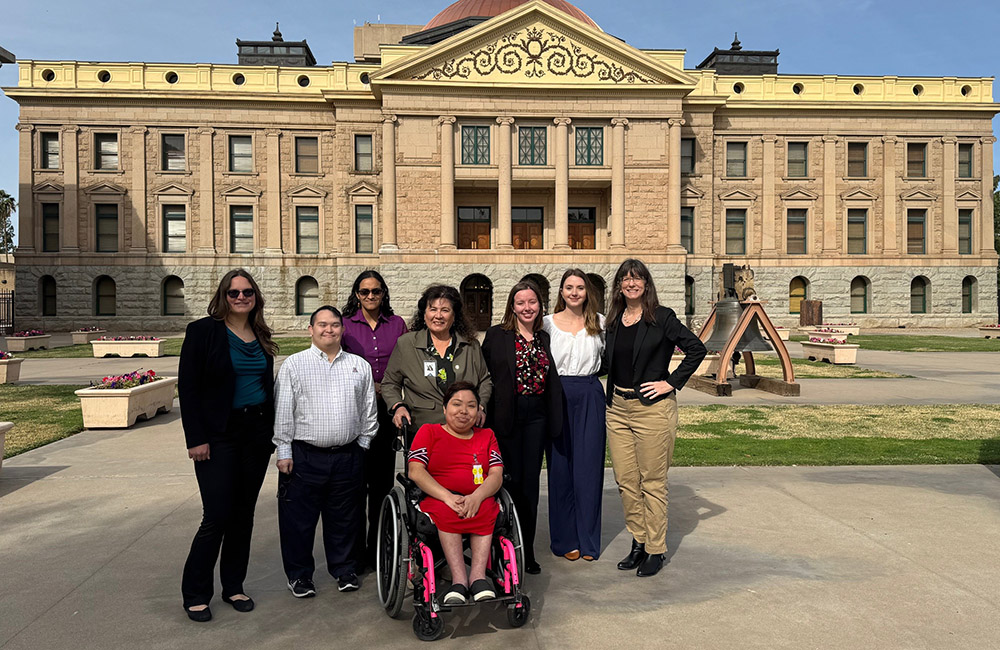
Grounded Partnerships with Tribal Nations
South Dakota is home to nine federally recognized tribes, and the Center is committed to building lasting relationships grounded in mutual trust and respect. That includes recruiting and mentoring LEND trainees from tribal communities, many of whom return as leaders and providers in their home regions.
The Strength of the Network
Kurtz emphasized the value of the AUCD Network in accelerating progress: “We don’t have to reinvent the wheel. We learn from each other and move faster, together.”
To better share its impact, the Center publishes Possibilities, an annual magazine featuring real stories from individuals, families, and professionals whose lives have been changed by its programs.
“These stories remind us why we do this work,” Kurtz said. “They help others see the difference collaboration makes.”